
How to Plan Your House Extension: Working Along Side Architects
Marsh & Co. is thrilled to unveil our very first guest blog post! We’ve officially teamed up with Ecclesall Design. This is a partnership dedicated to delivering both expert insights and extravagant home extensions.
We believe the secret to a perfect home lies in the synergy between architecture and interior design. By bridging the gap between technical blueprints and immersive 3D visuals, our teams work in lockstep to ensure your vision is never lost in translation.
Our Design Blog is adding a new collaborative hub where designers, developers, and architects unite to share tips, tricks, and design stories. To kick things off, we’re handing the mic to Sue Humphrey, Director of Ecclesall Design, as she shares her expert guide on crafting extensions that truly elevate your lifestyle.
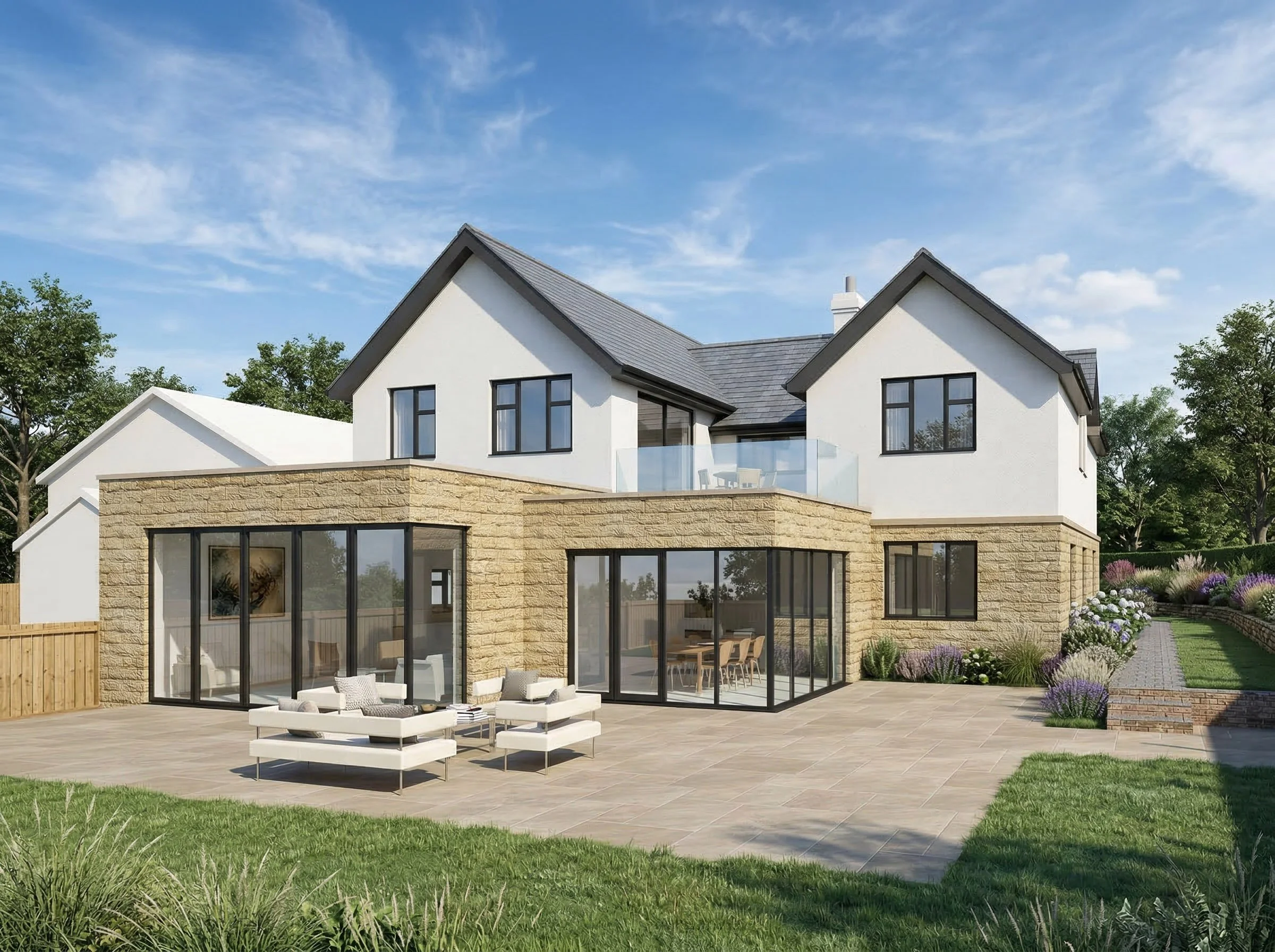
How to Plan Your House Extension
Planning a house extension is an exciting opportunity to transform your home's appearance and functionality. Whether you're creating a larger kitchen, adding a new living space or reconfiguring your layout, the success of any house extension project depends on the decisions made early in this process.
A well-planned extension is not just about adding space, it's about creating a layout that works with your lifestyle, your existing property and the surrounding environment of your house. The exterior appearance is important and your personal preference such as traditional or contemporary design will certainly impact on the final outcome but, first, it is essential to arrive at the internal configuration that works best for you.
Start with How You Want to Live
Before thinking about drawings or layouts, it's important to consider how you want to use the space. Do you need open-plan living for family life, a more defined layout, or better connections to your garden?
These early decisions help to shape the direction of the design, ensuring your home extension is tailored to your day-to-day needs and perhaps occasional larger social get togethers rather than simply increasing the square footage.
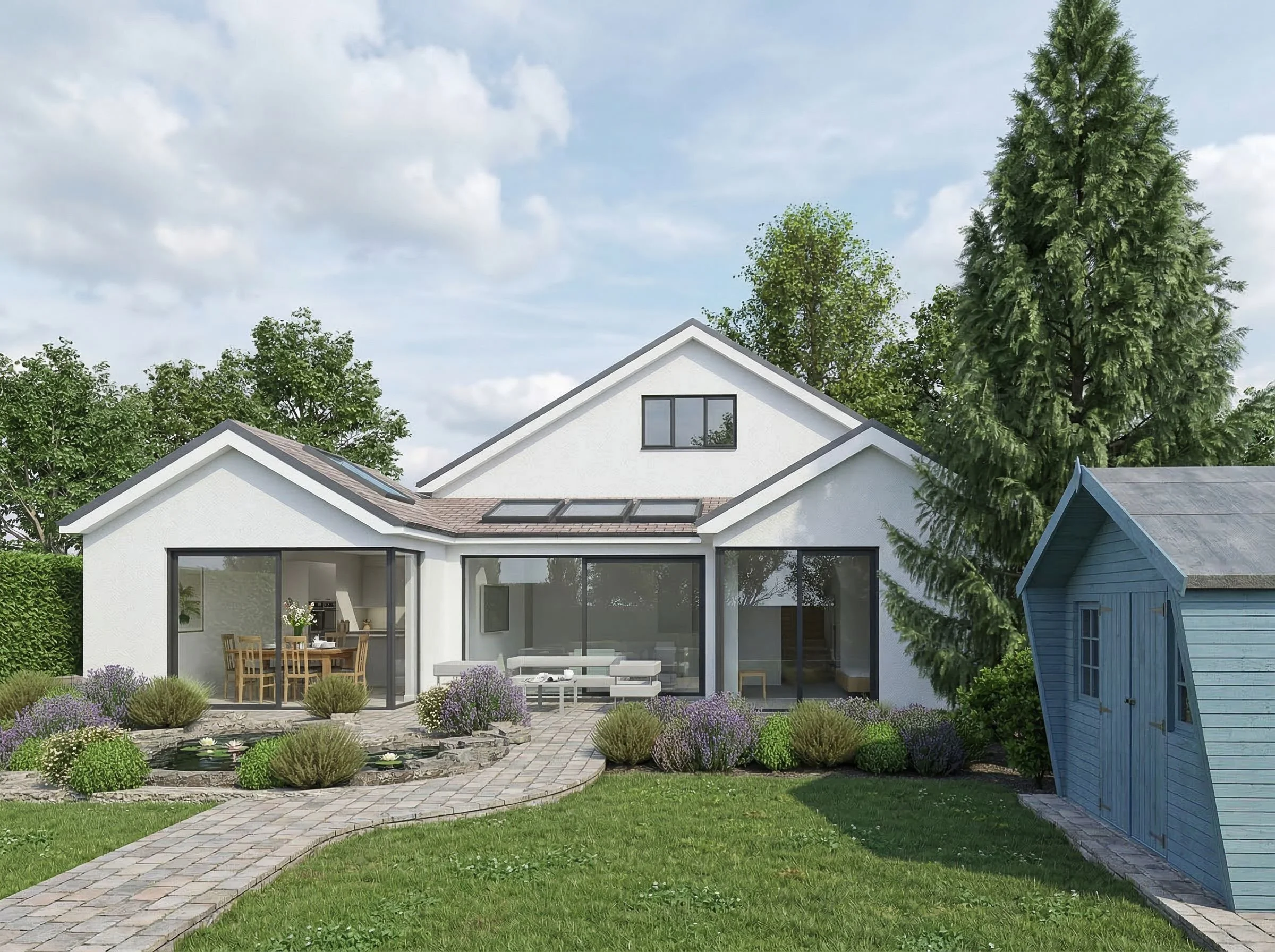
Understand What's Possible
Every property comes with its own constraints, from planning policies and site conditions to neighbouring properties and existing structures. Understanding what is achievable early on helps avoid delays and ensures the design progresses smoothly.
Working with an architectural designer at this stage allows you to develop a scheme that not only meets your brief but also stands the best chance of gaining planning permission.
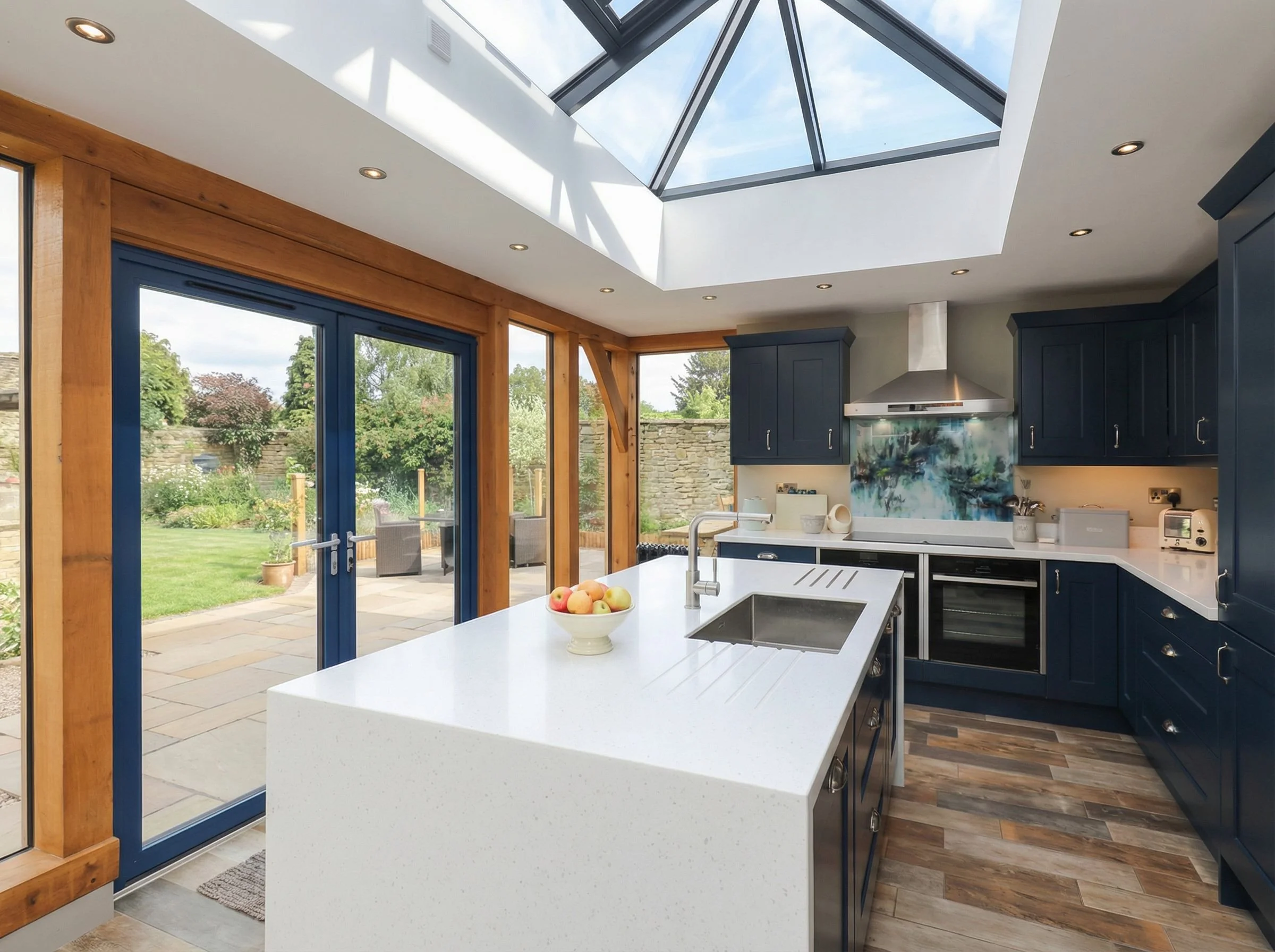
Get the Layout Right First
The layout is one of the most important aspects of any extension. The position of walls, openings and circulation routes will determine how the space feels and functions long before finishes are considered.
A well-designed layout should create a natural flow between spaces, with clear connections between kitchen, dining and living areas, while also considering storage, furniture placement and the practical day-to-day use of your property.
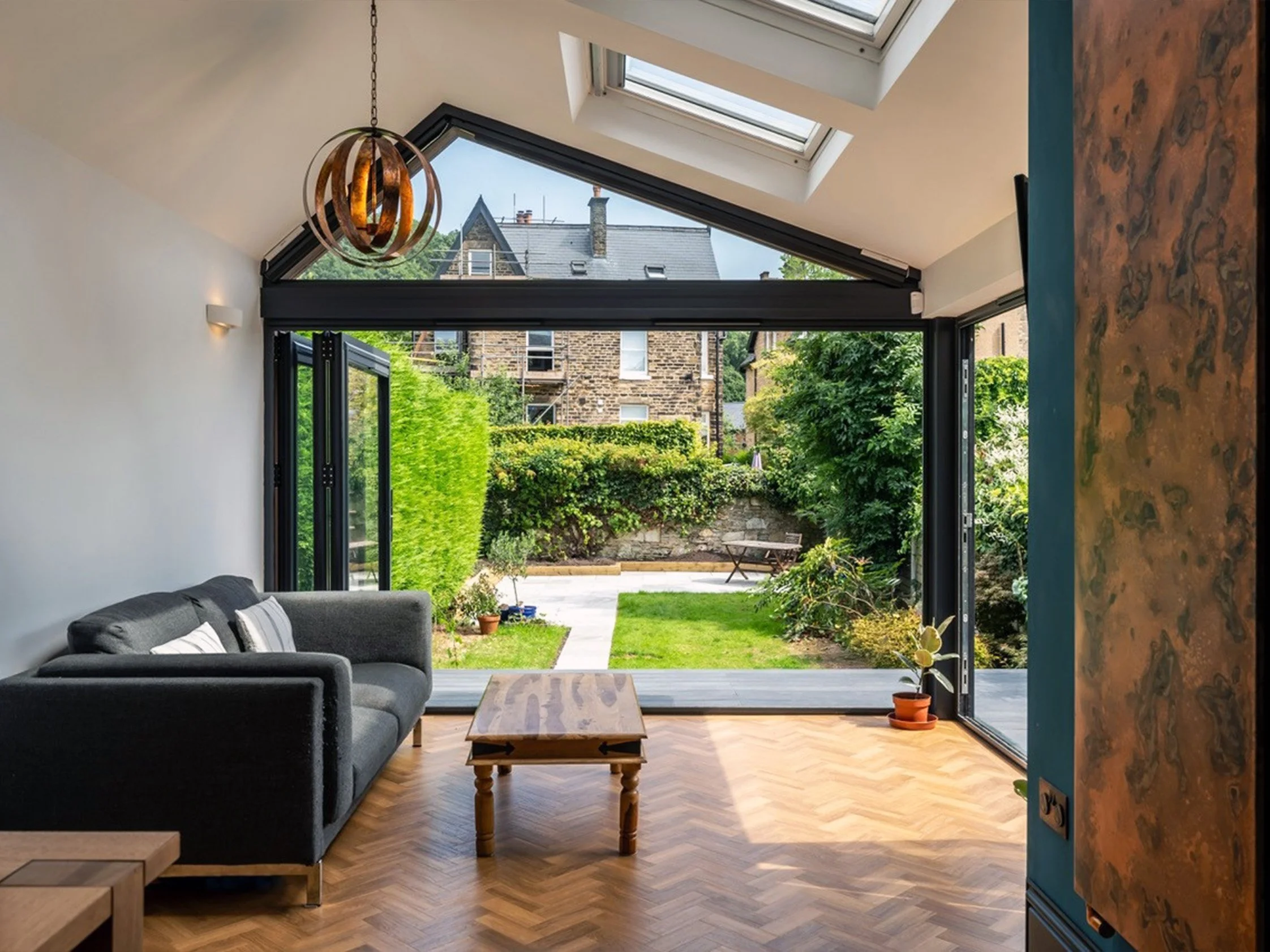
Design for Light and Space
Natural light plays a key role in how an extension feels. Thoughtful placement of windows, rooflights and glazed doors can dramatically improve the quality of a space, making it feel larger, brighter and more connected to the outdoors.
These decisions are made at the architectural stage, but they have a lasting impact on your home's interior design and overall atmosphere.
Think About Interiors from the Beginning
One of the most effective ways to achieve a successful extension is to consider interior design alongside the architectural design from the outset.
When architects and interior designers collaborate early in the process, key decisions such as layout, lighting, materials and furniture placement can be aligned from day one. This ensures that your space not only works structurally and practically, but also feels cohesive and well considered once complete.
Rather than retrofitting interior ideas into a finished shell, this joined-up approach allows both disciplines to inform each other, resulting in a refined and balanced outcome.
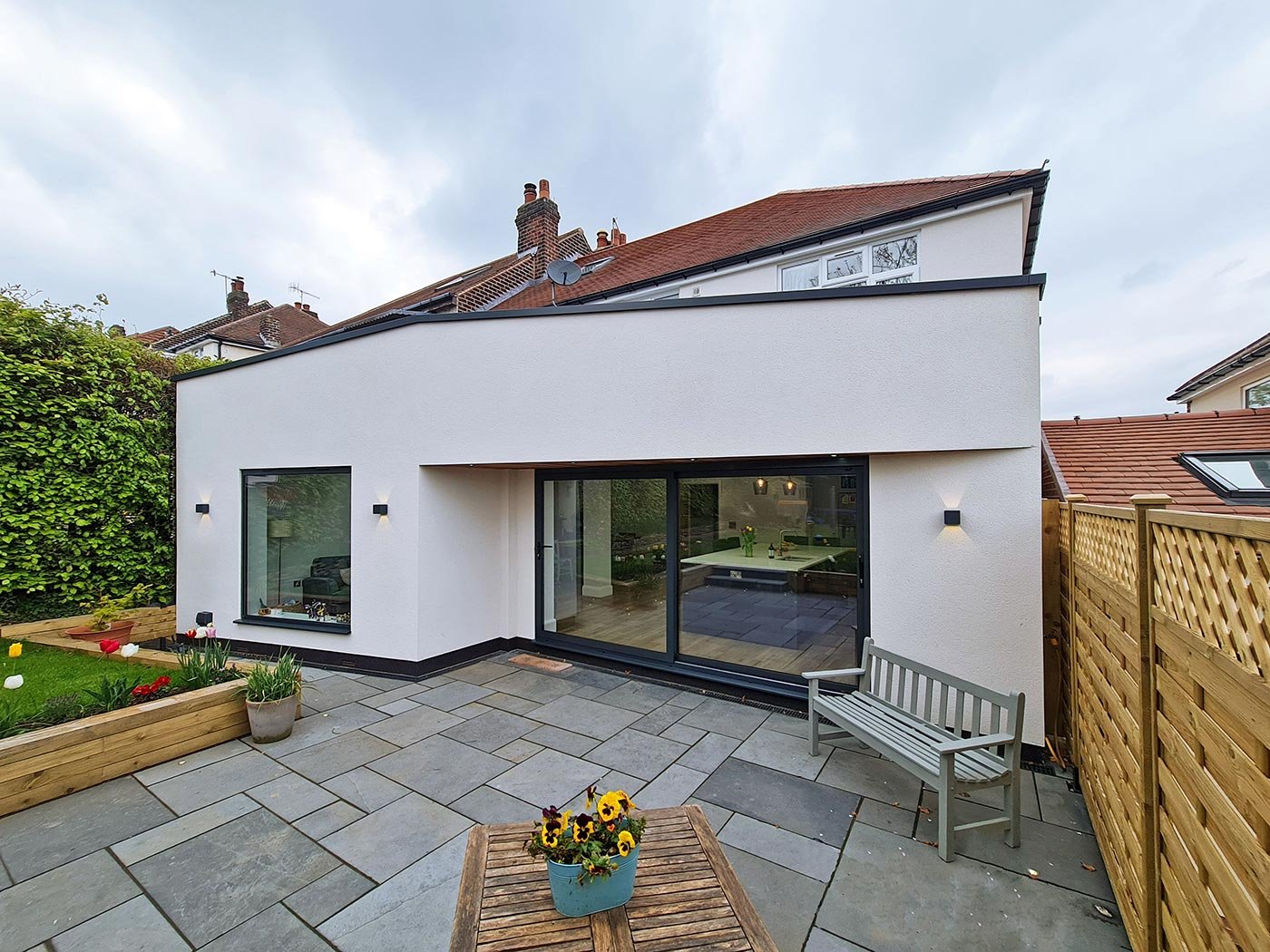
Plan Ahead for Your House Extension
Making key decisions early helps to reduce the risk of changes during construction. Elements such as electrics, plumbing, lighting and built-in furniture are far easier to plan on paper than to adjust on site.
A clear, coordinated design process saves time, controls costs and leads to a smoother build overall.
A Collaborative Approach for Better Designs
The most successful house extensions are those where all aspects of the design are considered together. By bringing together architectural design and interior expertise from the beginning, it's possible to create spaces that are not only visually impressive but also practical, comfortable and tailored to how you live.
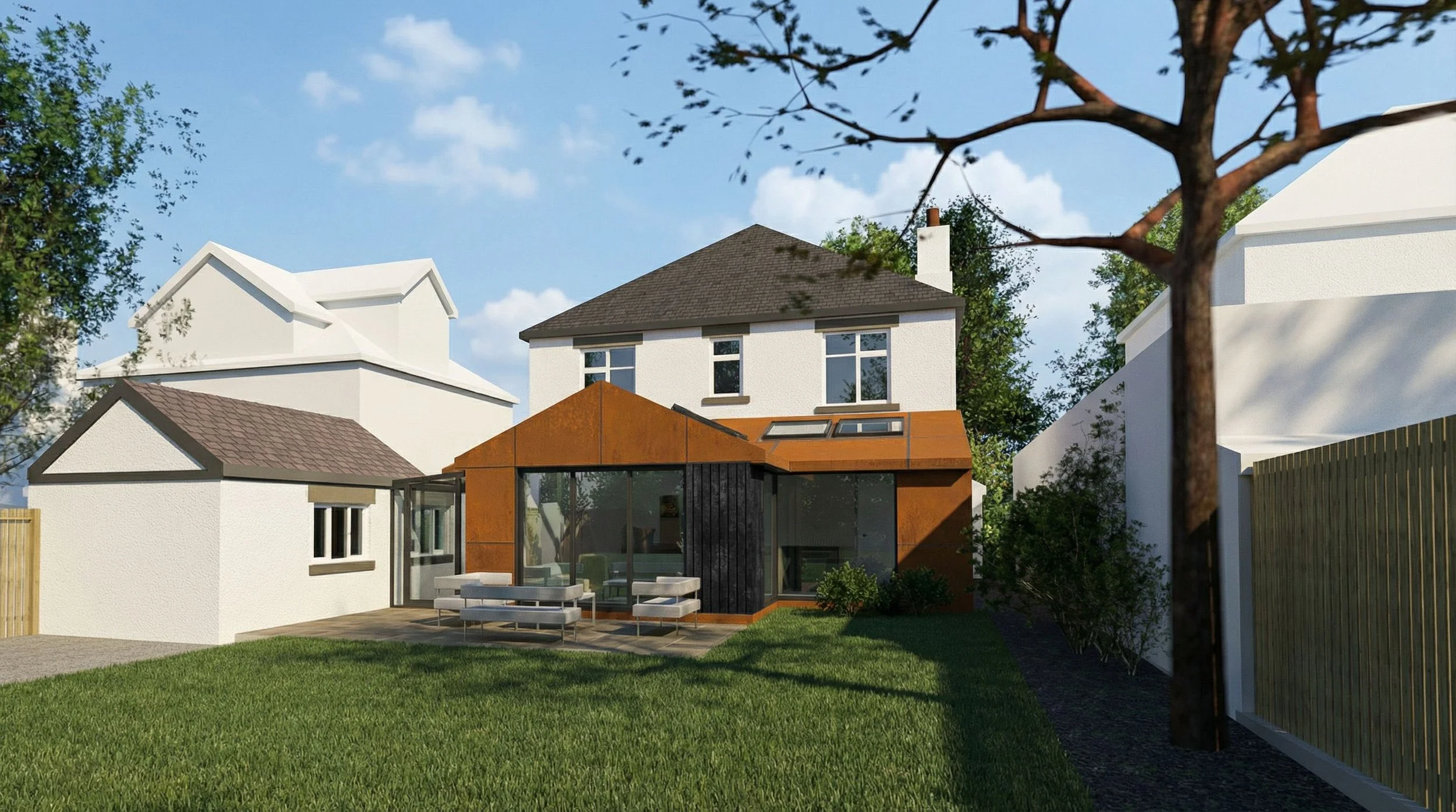
Creating a House Extension That Works for You
A house extension is a long-term investment in your home. Taking the time to plan it properly by having the right team in place ensures that the final result enhances both your property and your everyday life.
Focusing on layout, light, planning and collaboration from the outset allows you and your design team to create an extension that is cohesive, and designed and built especially for you.
Ready to begin your dream extension development? Take a look at the Ecclesall Design website today!